Breeds Other Registries
American Pit Bull Terrier
Also known as APBT, Pit Bull Terrier
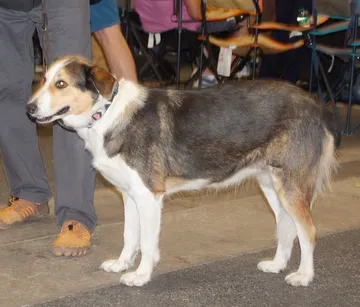
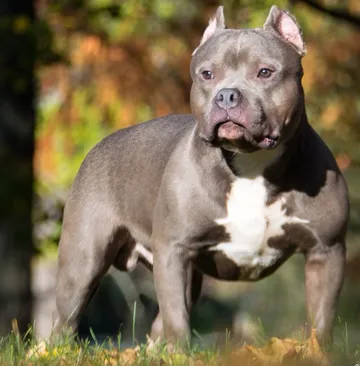
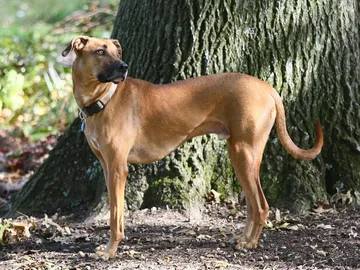
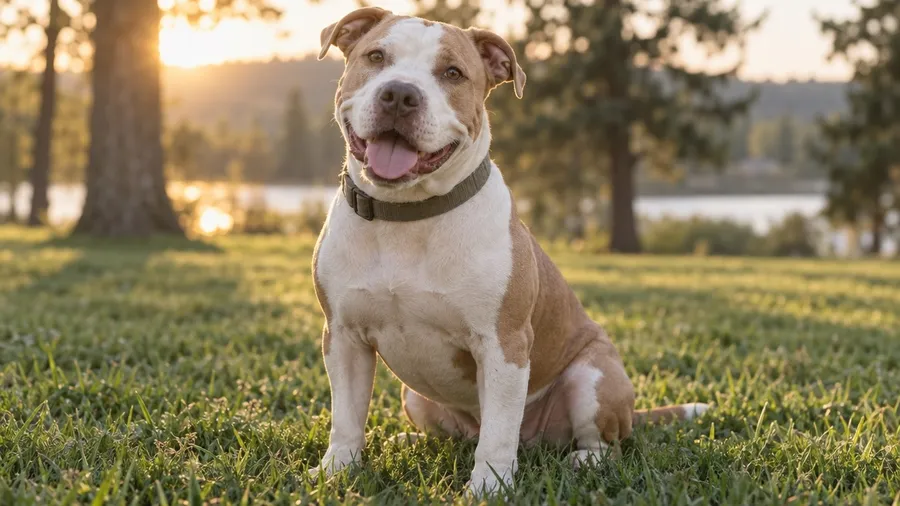
The American Pit Bull Terrier descends from bull-and-terrier dogs brought to the United States from England, Scotland, and Ireland in the 1800s, where they became versatile farm dogs and family companions. The United Kennel Club registered the APBT as its very first breed in 1898, and the American Dog Breeders Association (founded 1909) also registers the breed; it is not recognized by the AKC, whose closest relatives are the American Staffordshire Terrier and Staffordshire Bull Terrier. “Pit bull” is a broad label applied to several breeds and to many mixed-breed dogs, and research shows that identifying a dog’s breed by appearance alone is unreliable, even for experienced professionals. Individual APBTs are known for their enthusiasm for people, resilience, and eagerness to work, and many excel as family companions, therapy dogs, search dogs, and in sports like weight pull, agility, and dock diving.
At a glance
- Origin
- United States (from British bull-and-terrier ancestors)
- Developed
- 1800s; registered by the UKC since 1898
- Bred for
- Originally a working and sporting dog; later farm dog, family companion, and canine athlete
- Height
- 17–21 in
- Weight
- 30–60 lb
- Life span
- 12–16 years
- Size
- Medium
- Coat
- Short, glossy, stiff coat in any color or pattern except merle
- Grooming
- Low
- Shedding
- Moderate
- Exercise
- About 1–2 hours a day, plus play, training, and enrichment
- Recognized by
- United Kennel Club, American Dog Breeders Association
Good to know
APBTs thrive with daily exercise, clear, consistent training, and early, ongoing socialization with people and other dogs; like any dog, they should be judged as individuals rather than by labels. Some may be selective about other dogs as they mature, so thoughtful introductions and supervised play help. Check local housing and insurance rules, since some still use breed-based policies.
Health considerations
- Hip dysplasia
- Allergies and skin conditions
- Cerebellar ataxia
- Hypothyroidism
Conditions breed clubs commonly screen for. Not every dog will have them. Ask your veterinarian about your own dog.
Did you know?
The UKC’s first registered dog in 1898 was an American Pit Bull Terrier named Bennett’s Ring, owned by founder Chauncey Z. Bennett.
Other Registries group
Breeds recognized by other registries, such as the United Kennel Club (UKC), the American Bully Kennel Club (ABKC), or international kennel clubs, but not by the AKC.
Every American Pit Bull Terrier is an individual.
Breed traits are tendencies, not guarantees. Your dog's genetics, early life, health, and everyday experiences all shape who they are. If you'd like help understanding the dog in front of you, let's talk.
Start a conversation