Breeds Herding
Australian Cattle Dog
Also known as Blue Heeler, Red Heeler, Queensland Heeler
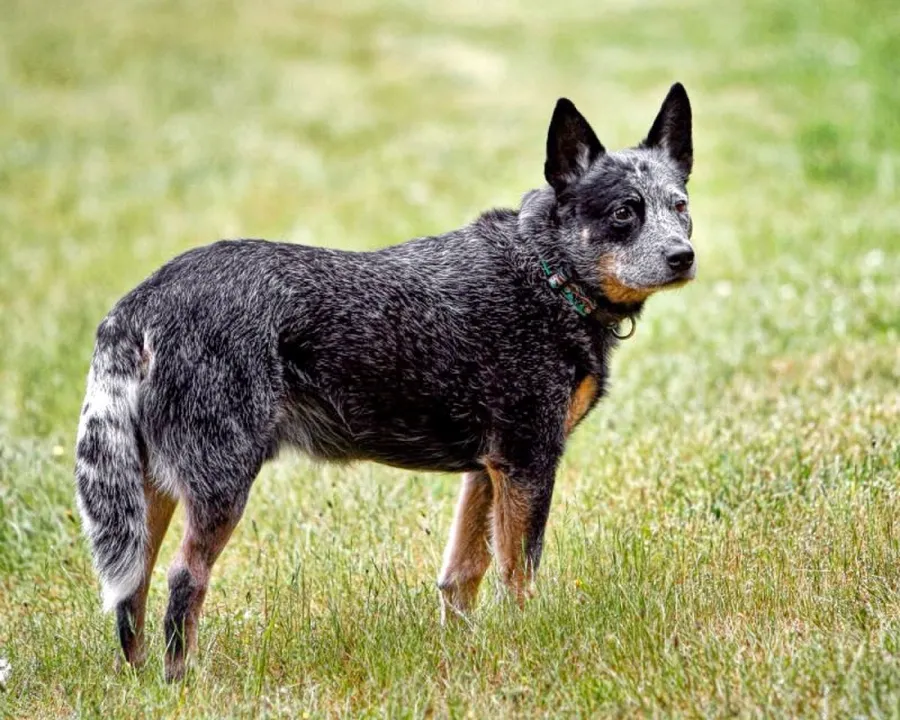
Developed by Australian settlers who needed a tough dog to move half-wild cattle across vast, hot terrain, the Australian Cattle Dog blends herding stock with the native dingo. It works by nipping at the heels of cattle, which earned it the nickname heeler. The breed is compact, muscular, and famously hardy, with tremendous stamina and a strong bond with its people.
At a glance
- Origin
- Australia
- Developed
- Mid-1800s
- Bred for
- Driving cattle over long distances on Australian ranches
- Height
- 17–20 in
- Weight
- 35–50 lb
- Life span
- 12–16 years
- Size
- Medium
- Coat
- Short, dense, weather-resistant double coat; blue or red speckled, often with tan or mottled markings
- Grooming
- Low
- Shedding
- Seasonal
- Exercise
- 1–2 hours a day of vigorous activity plus a job or training
- Recognized by
- American Kennel Club, United Kennel Club, Fédération Cynologique Internationale, Canadian Kennel Club, The Kennel Club (UK)
Good to know
Cattle Dogs need both physical exercise and problems to solve; without them they often invent their own jobs. Early socialization helps, as many are reserved with strangers, and redirecting the natural heel-nipping instinct toward toys and games is useful in homes with children.
Health considerations
- Hip dysplasia
- Progressive retinal atrophy
- Congenital deafness
- Primary lens luxation
Conditions breed clubs commonly screen for. Not every dog will have them. Ask your veterinarian about your own dog.
Did you know?
An Australian Cattle Dog named Bluey is widely cited as the longest-lived dog on record, reportedly reaching 29 years and 5 months.
Herding group
Dogs developed to gather, drive, and protect livestock. Usually intelligent, responsive, and energetic, with a strong instinct to control movement.
Every Australian Cattle Dog is an individual.
Breed traits are tendencies, not guarantees. Your dog's genetics, early life, health, and everyday experiences all shape who they are. If you'd like help understanding the dog in front of you, let's talk.
Start a conversation