Breeds Terrier
Bedlington Terrier
Also known as Rothbury Terrier, Gypsy Dog
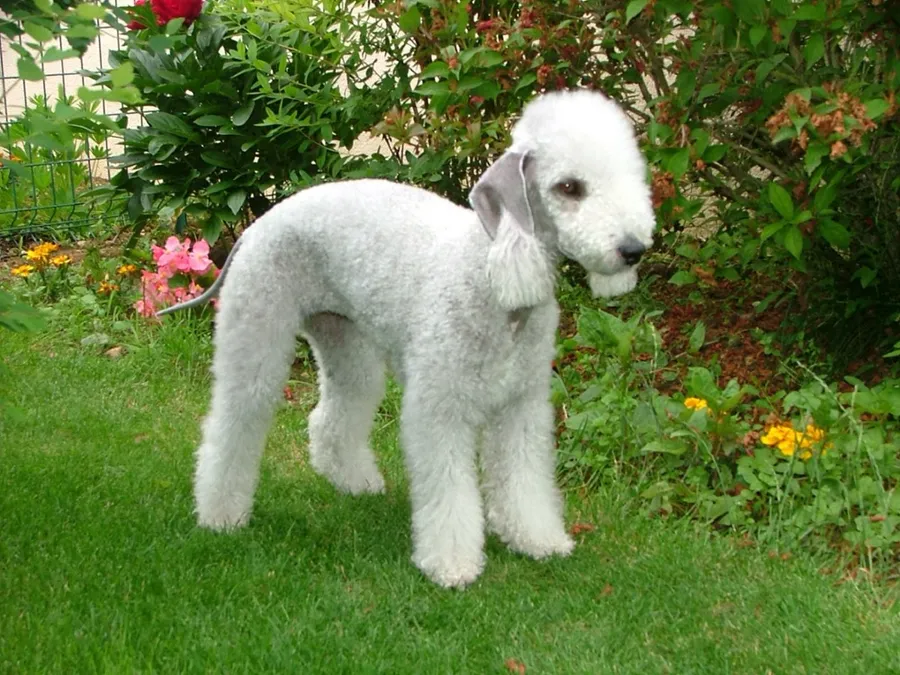
Named for the mining town of Bedlington in northern England, this breed was a favorite of miners and poachers who valued its speed and tenacity against vermin and rabbits. Its lamb-like look hides a fast, athletic build shaped partly by sighthound ancestry. At home, Bedlingtons tend to be mellow, affectionate companions.
At a glance
- Origin
- England
- Developed
- Late 1700s to early 1800s
- Bred for
- Hunting vermin, rabbits, and badgers in the mining towns of Northumberland
- Height
- 15–17.5 in
- Weight
- 17–23 lb
- Life span
- 11–16 years
- Size
- Medium
- Coat
- Crisp, curly mix of hard and soft hair; blue, liver, or sandy, with or without tan
- Grooming
- High
- Shedding
- Minimal
- Exercise
- About an hour a day, including chances to run in a safe area
- Recognized by
- American Kennel Club, United Kennel Club, Fédération Cynologique Internationale, Canadian Kennel Club, The Kennel Club (UK)
Good to know
The distinctive coat needs regular brushing and professional trimming every six to eight weeks. Bedlingtons can be quick to chase, so leash or fenced areas are important; responsible breeders screen for copper toxicosis.
Health considerations
- Copper toxicosis
- Retinal dysplasia
- Patellar luxation
Conditions breed clubs commonly screen for. Not every dog will have them. Ask your veterinarian about your own dog.
Did you know?
Bedlington puppies are often born dark and gradually lighten to their adult blue, liver, or sandy shade over the first year.
Terrier group
Originally bred to hunt rodents and other vermin, often by digging. Typically energetic, determined, and full of personality, from small Cairns to the tall Airedale.
Every Bedlington Terrier is an individual.
Breed traits are tendencies, not guarantees. Your dog's genetics, early life, health, and everyday experiences all shape who they are. If you'd like help understanding the dog in front of you, let's talk.
Start a conversation