Breeds Hound
Otterhound
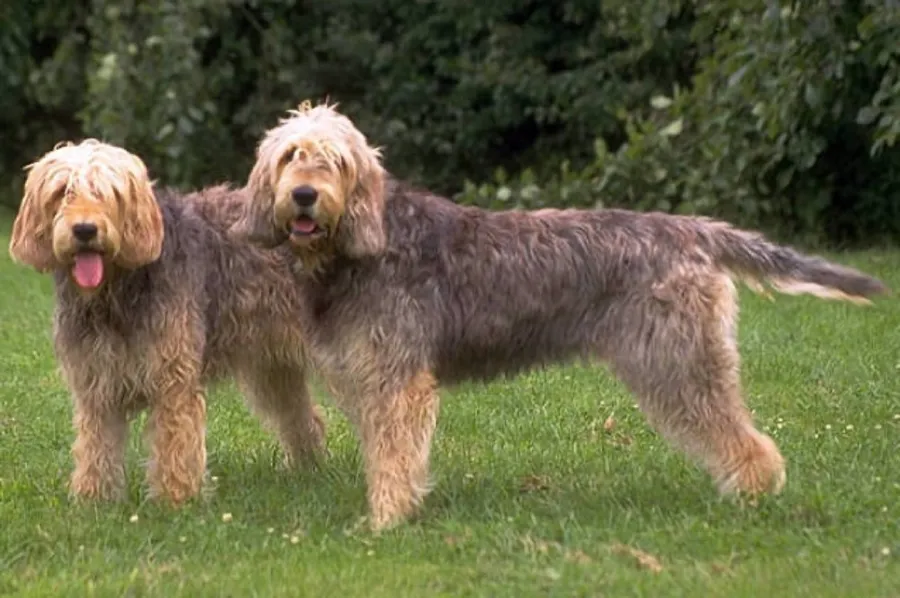
The Otterhound was developed in medieval England to track otters along waterways, with a keen nose, webbed feet, and a water-resistant coat. When otter hunting was banned in Britain in 1978, the breed lost its job and numbers dropped. Otterhounds are good-natured, affectionate, and often comically exuberant.
At a glance
- Origin
- England
- Developed
- Middle Ages
- Bred for
- Hunting otters along rivers and streams
- Height
- 24–27 in
- Weight
- 80–115 lb
- Life span
- 10–13 years
- Size
- Large
- Coat
- Rough, dense, oily double coat; any color
- Grooming
- Moderate
- Shedding
- Moderate
- Exercise
- About an hour a day of walks, scent work, and swimming when possible
- Recognized by
- American Kennel Club, United Kennel Club, Fédération Cynologique Internationale, Canadian Kennel Club, The Kennel Club (UK)
Good to know
Otterhounds are large, messy drinkers and diggers with a powerful nose, so a tolerant household and secure fence help. Weekly brushing prevents coat mats.
Health considerations
- Hip dysplasia
- Elbow dysplasia
- Bloat (gastric dilatation-volvulus)
- Glanzmann's thrombasthenia
Conditions breed clubs commonly screen for. Not every dog will have them. Ask your veterinarian about your own dog.
Did you know?
The Otterhound is considered a vulnerable native breed in the UK, with only several hundred dogs worldwide.
Hound group
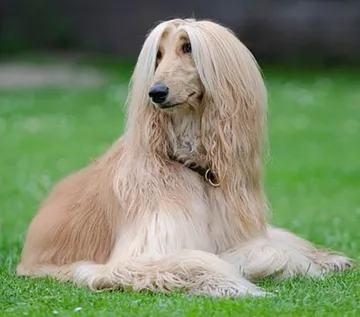
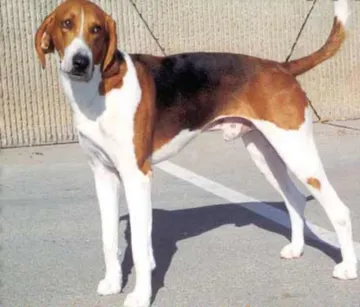
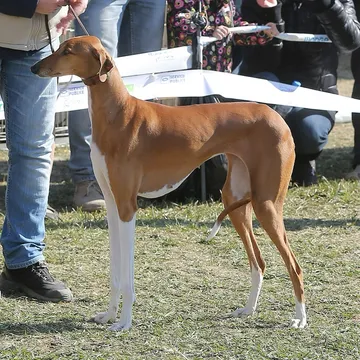
Dogs bred to hunt by scent (like Beagles and Bloodhounds) or by sight and speed (like Greyhounds and Salukis). Many are independent thinkers with strong instincts to follow a trail or chase.
Every Otterhound is an individual.
Breed traits are tendencies, not guarantees. Your dog's genetics, early life, health, and everyday experiences all shape who they are. If you'd like help understanding the dog in front of you, let's talk.
Start a conversation