Breeds Terrier
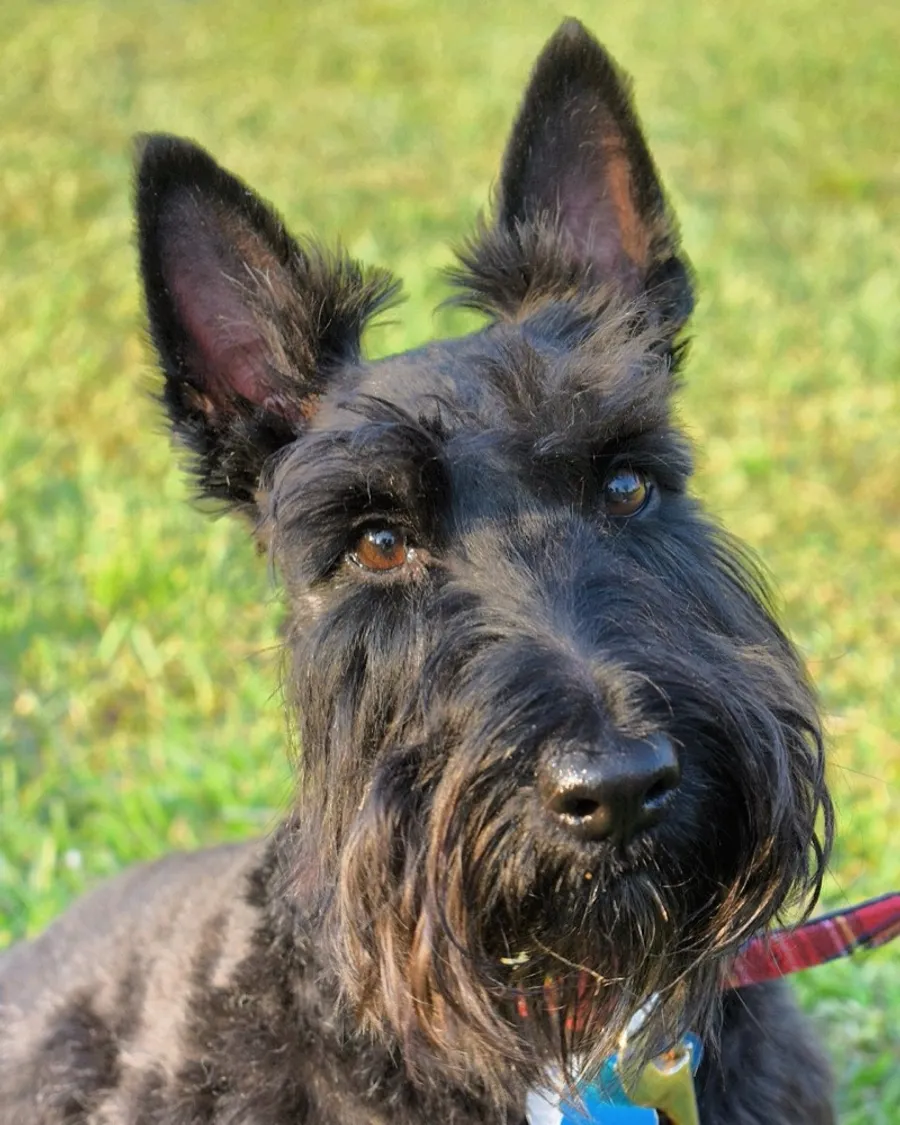
Scottish Terrier
Also known as Scottie, Aberdeen Terrier
The Scottish Terrier was developed in the Scottish Highlands as a tough, low-slung hunter of foxes and badgers, and its type was standardized in the late 1800s. Its distinctive silhouette, with a long head, beard, and eyebrows, is one of the most recognizable in the dog world. Scotties are dignified, devoted to their families, and often reserved with strangers.
At a glance
- Origin
- Scotland
- Developed
- 1800s
- Bred for
- Hunting foxes, badgers, and vermin in the Highlands
- Height
- 10 in
- Weight
- 18–22 lb
- Life span
- 11–13 years
- Size
- Small
- Coat
- Hard, wiry outer coat with a dense undercoat; black, wheaten, or brindle
- Grooming
- Moderate
- Shedding
- Minimal
- Exercise
- 30–60 minutes a day of brisk walks and play
- Recognized by
- American Kennel Club, United Kennel Club, Fédération Cynologique Internationale, Canadian Kennel Club, The Kennel Club (UK)
Good to know
Scotties tend to be independent thinkers, so patient, consistent training works best. Their coats need weekly brushing and stripping or clipping, and owners should be aware of the breed's higher risk for bladder cancer.
Health considerations
- Scottie cramp
- Von Willebrand disease
- Bladder cancer
- Craniomandibular osteopathy
Conditions breed clubs commonly screen for. Not every dog will have them. Ask your veterinarian about your own dog.
Did you know?
President Franklin D. Roosevelt's Scottie, Fala, was so famous that he is depicted beside FDR at the Franklin Delano Roosevelt Memorial in Washington, D.C.
Terrier group
Originally bred to hunt rodents and other vermin, often by digging. Typically energetic, determined, and full of personality, from small Cairns to the tall Airedale.
Every Scottish Terrier is an individual.
Breed traits are tendencies, not guarantees. Your dog's genetics, early life, health, and everyday experiences all shape who they are. If you'd like help understanding the dog in front of you, let's talk.
Start a conversation