Breeds Working
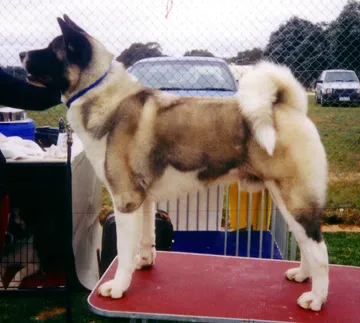
Alaskan Malamute
Also known as Mal, Malamute
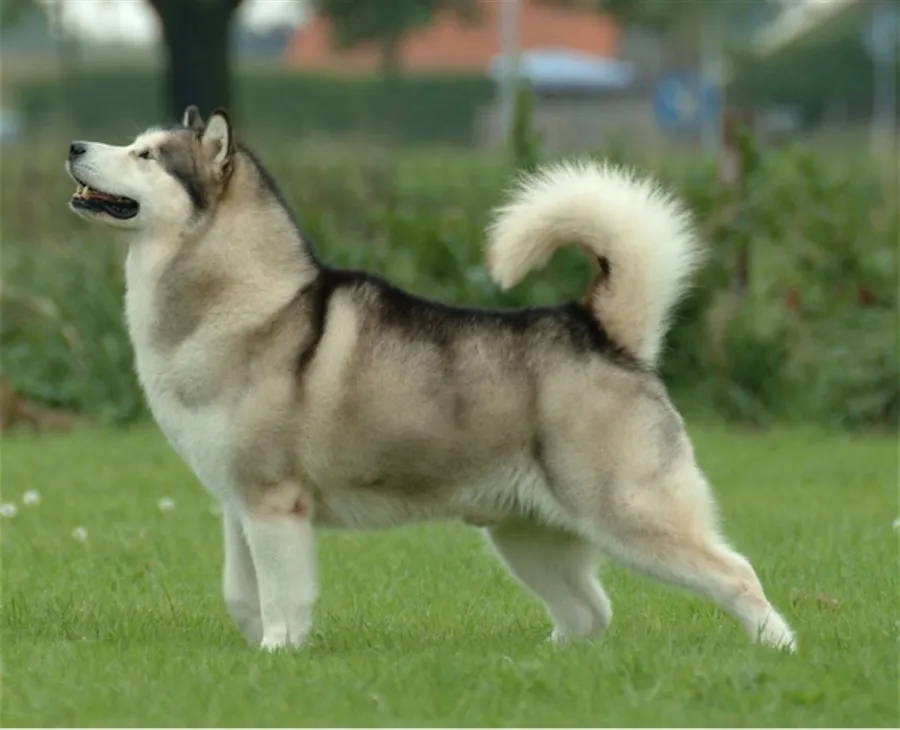
The Alaskan Malamute is one of the oldest Arctic sled dogs, developed by the Mahlemut (Kuuvangmiut Iñupiat) people of northwestern Alaska. Built for strength and stamina rather than speed, Malamutes hauled heavy loads and helped with hunting. They are friendly and outgoing with people, playful, and known for 'talking' with woos and howls rather than barking.
At a glance
- Origin
- United States (Alaska)
- Developed
- Ancient Arctic landrace; AKC recognized 1935
- Bred for
- Hauling heavy freight by sled over long distances
- Height
- 23–25 in
- Weight
- 75–85 lb
- Life span
- 10–14 years
- Size
- Large
- Coat
- Thick, coarse double coat with a dense, woolly undercoat; gray, black, sable, red, or seal with white markings
- Grooming
- Moderate
- Shedding
- Heavy
- Exercise
- 1–2 hours a day; enjoys hiking, pulling, and cold-weather activities
- Recognized by
- American Kennel Club, United Kennel Club, Fédération Cynologique Internationale, Canadian Kennel Club, The Kennel Club (UK)
Good to know
Malamutes need daily exercise and an outlet for pulling or working, and many are enthusiastic diggers. Their independent thinking means training goes best when it is engaging and well structured. Secure fencing and supervision around small animals are wise, and they handle heat poorly.
Health considerations
- Hip dysplasia
- Chondrodysplasia
- Hereditary polyneuropathy
- Hypothyroidism
Conditions breed clubs commonly screen for. Not every dog will have them. Ask your veterinarian about your own dog.
Did you know?
The Alaskan Malamute became the official state dog of Alaska in 2010.
Working group
Guardians, sled dogs, draft dogs, and rescue dogs. Often large and strong, intelligent, and capable of serious work. Early socialization and consistent training matter.
Every Alaskan Malamute is an individual.
Breed traits are tendencies, not guarantees. Your dog's genetics, early life, health, and everyday experiences all shape who they are. If you'd like help understanding the dog in front of you, let's talk.
Start a conversation