Breeds Working
Anatolian Shepherd Dog
Also known as Anatolian, Coban Kopegi
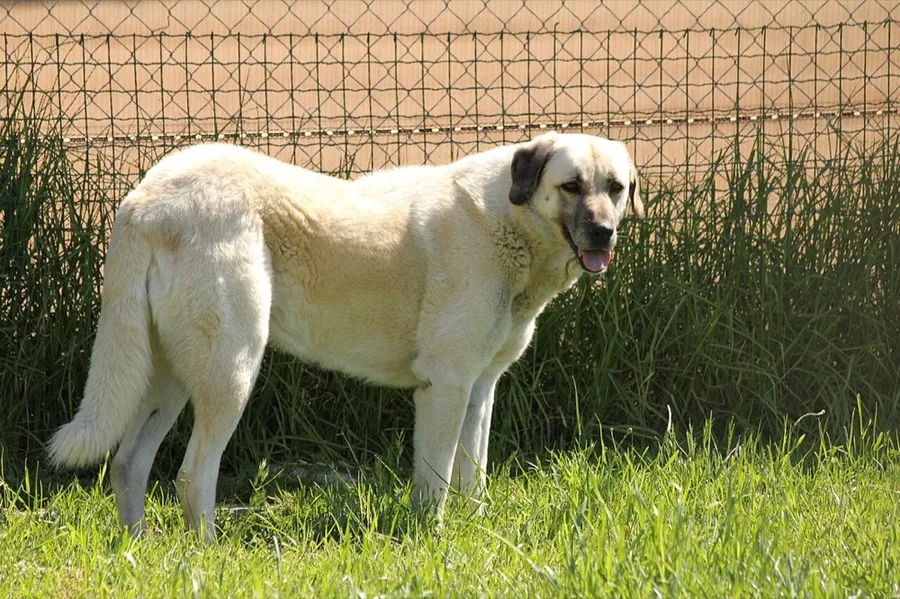
The Anatolian Shepherd Dog descends from the livestock guardian dogs of the Anatolian plateau of central Turkey, where they have protected flocks for thousands of years. Rather than herding, these dogs live with the livestock and deter predators by their presence and alertness. They are calm and steady at home, very loyal to their family, and naturally reserved with strangers.
At a glance
- Origin
- Turkey
- Developed
- Ancient; AKC recognized 1996
- Bred for
- Guarding sheep and goats from predators
- Height
- 27–29 in
- Weight
- 80–150 lb
- Life span
- 11–13 years
- Size
- Giant
- Coat
- Short to rough double coat; commonly fawn with a black mask, also brindle, pinto, and white
- Grooming
- Low
- Shedding
- Seasonal
- Exercise
- Moderate daily walks plus room to patrol a securely fenced area
- Recognized by
- American Kennel Club, United Kennel Club, Canadian Kennel Club, The Kennel Club (UK)
Good to know
Anatolians were bred to make decisions on their own, so training takes patience and consistency, and a solid recall is rarely reliable off leash. Thorough socialization from puppyhood helps them distinguish normal visitors from real concerns. A tall, secure fence is a must.
Health considerations
- Hip dysplasia
- Elbow dysplasia
- Entropion
- Hypothyroidism
Conditions breed clubs commonly screen for. Not every dog will have them. Ask your veterinarian about your own dog.
Did you know?
In Namibia, the Cheetah Conservation Fund places Anatolian Shepherds with farmers to protect livestock, which reduces conflict with wild cheetahs.
Working group
Guardians, sled dogs, draft dogs, and rescue dogs. Often large and strong, intelligent, and capable of serious work. Early socialization and consistent training matter.
Every Anatolian Shepherd Dog is an individual.
Breed traits are tendencies, not guarantees. Your dog's genetics, early life, health, and everyday experiences all shape who they are. If you'd like help understanding the dog in front of you, let's talk.
Start a conversation