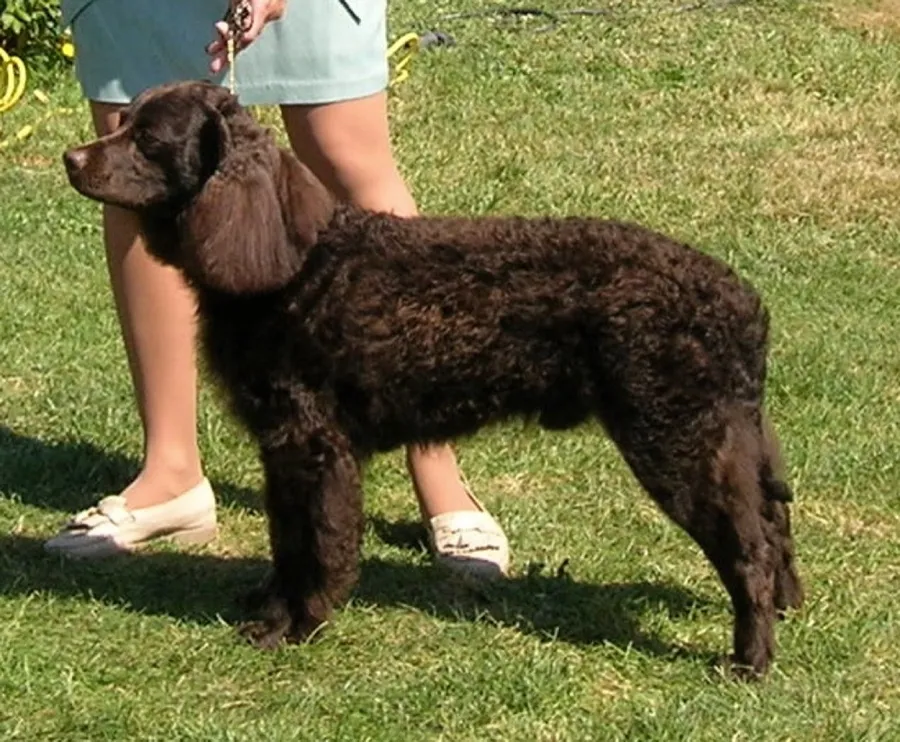
Breeds Sporting
American Water Spaniel
Also known as AWS
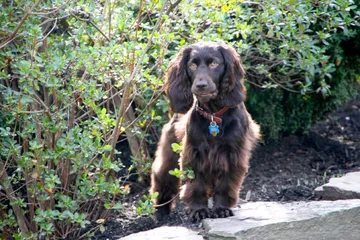
The American Water Spaniel was developed by market and subsistence hunters in the Great Lakes region, especially Wisconsin's Fox and Wolf River valleys. Hunters wanted a compact dog that could work from a canoe or skiff, retrieve ducks from cold water, and also flush upland birds. The result is a versatile, medium-sized spaniel with a curly, water-resistant coat and a cheerful, people-oriented nature.
At a glance
- Origin
- United States (Wisconsin)
- Developed
- Mid-to-late 1800s
- Bred for
- Flushing and retrieving waterfowl and upland game from small boats
- Height
- 15–18 in
- Weight
- 25–45 lb
- Life span
- 10–14 years
- Size
- Medium
- Coat
- Waterproof double coat, from marcel (uniform waves) to closely curled; solid liver, brown, or dark chocolate
- Grooming
- Moderate
- Shedding
- Moderate
- Exercise
- About 1 hour a day, ideally including swimming or retrieving games
- Recognized by
- American Kennel Club, United Kennel Club, Canadian Kennel Club
Good to know
These dogs need regular activity and do best with calm, patient training, as they can be sensitive to harsh handling. Early socialization helps them stay confident with new people, and their coat needs weekly brushing.
Health considerations
- Hip dysplasia
- Progressive retinal atrophy
- Cardiomyopathy
Conditions breed clubs commonly screen for. Not every dog will have them. Ask your veterinarian about your own dog.
Did you know?
The American Water Spaniel has been the official state dog of Wisconsin since 1985.
Sporting group
Retrievers, pointers, setters, and spaniels, developed to help hunters find and retrieve game. Typically active, people-focused, and happiest with regular exercise and a job to do.
Every American Water Spaniel is an individual.
Breed traits are tendencies, not guarantees. Your dog's genetics, early life, health, and everyday experiences all shape who they are. If you'd like help understanding the dog in front of you, let's talk.
Start a conversation