Breeds Herding
Belgian Sheepdog
Also known as Groenendael, Chien de Berger Belge (Groenendael)
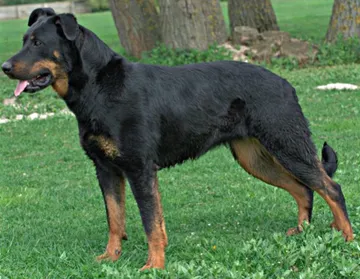
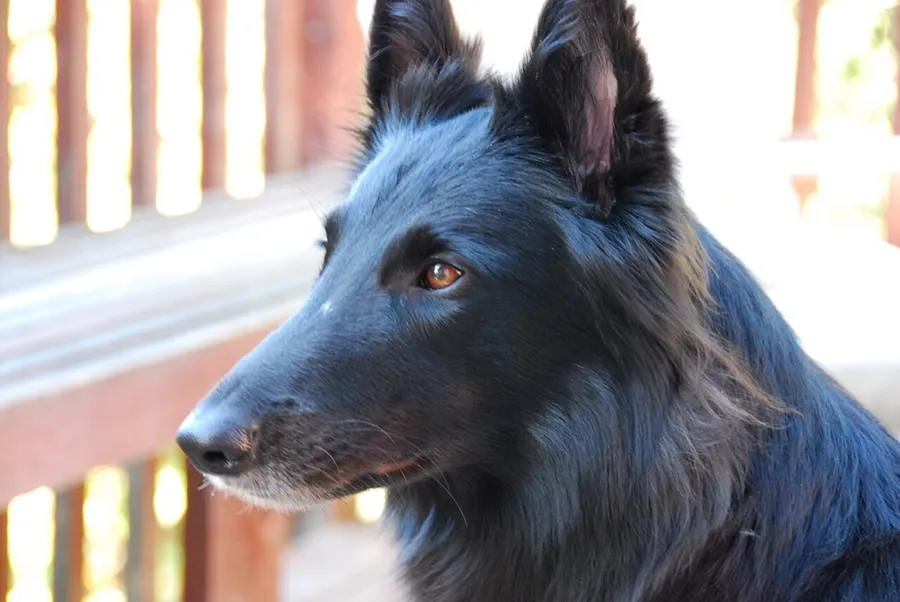
Known in much of the world as the Groenendael, after the village where breeder Nicolas Rose developed the long-coated black line, the Belgian Sheepdog is one of four Belgian shepherd varieties. These dogs served as sentries, messengers, and ambulance dogs during World War I. They are elegant, quick, and deeply attached to their people.
At a glance
- Origin
- Belgium
- Developed
- Late 1800s
- Bred for
- Herding and guarding sheep; later police and messenger work
- Height
- 22–26 in
- Weight
- 45–75 lb
- Life span
- 12–14 years
- Size
- Large
- Coat
- Long, straight, abundant double coat; solid black, sometimes with small white markings
- Grooming
- Moderate
- Shedding
- Seasonal
- Exercise
- 1–2 hours a day of activity plus training or dog sports
- Recognized by
- American Kennel Club, United Kennel Club, Fédération Cynologique Internationale, Canadian Kennel Club, The Kennel Club (UK)
Good to know
Belgian Sheepdogs are sensitive and respond best to calm, consistent training. They need daily exercise and mental work, regular brushing (more during seasonal sheds), and early socialization, as many are naturally reserved with strangers.
Health considerations
- Hip dysplasia
- Elbow dysplasia
- Progressive retinal atrophy
- Epilepsy
Conditions breed clubs commonly screen for. Not every dog will have them. Ask your veterinarian about your own dog.
Did you know?
Belgian Sheepdogs were among the first police dogs in the United States, serving with the New York City police in the early 1900s.
Herding group
Dogs developed to gather, drive, and protect livestock. Usually intelligent, responsive, and energetic, with a strong instinct to control movement.
Every Belgian Sheepdog is an individual.
Breed traits are tendencies, not guarantees. Your dog's genetics, early life, health, and everyday experiences all shape who they are. If you'd like help understanding the dog in front of you, let's talk.
Start a conversation