Breeds Terrier
Border Terrier
Also known as Coquetdale Terrier, Redesdale Terrier
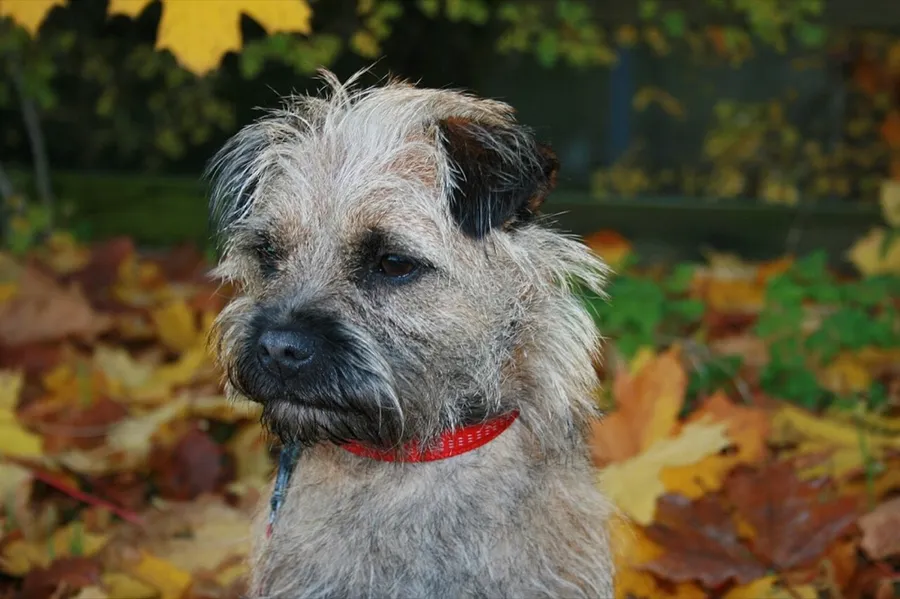
Farmers along the border between England and Scotland developed the Border Terrier to work alongside foxhounds, with legs long enough to keep pace with horses and a body narrow enough to follow a fox underground. Its otter-shaped head is a hallmark of the breed. Borders are known as one of the more easygoing, sociable terriers.
At a glance
- Origin
- England and Scotland (Border region)
- Developed
- 1700s
- Bred for
- Bolting foxes from their dens and keeping up with horseback hunts
- Height
- 12–15 in
- Weight
- 11.5–15.5 lb
- Life span
- 12–15 years
- Size
- Small
- Coat
- Harsh, dense, wiry double coat; red, grizzle and tan, blue and tan, or wheaten
- Grooming
- Low
- Shedding
- Moderate
- Exercise
- About an hour a day of walks, play, and sniffing time
- Recognized by
- American Kennel Club, United Kennel Club, Fédération Cynologique Internationale, Canadian Kennel Club, The Kennel Club (UK)
Good to know
Borders are usually friendly with people and dogs but retain a strong instinct to chase small animals, so a secure fence and solid recall matter. Their coat stays tidy with weekly brushing and hand-stripping a couple of times a year.
Health considerations
- Hip dysplasia
- Canine epileptoid cramping syndrome
- Hypothyroidism
Conditions breed clubs commonly screen for. Not every dog will have them. Ask your veterinarian about your own dog.
Did you know?
The breed standard calls for a head "like that of an otter," one of the most recognizable descriptions in dogdom.
Terrier group
Originally bred to hunt rodents and other vermin, often by digging. Typically energetic, determined, and full of personality, from small Cairns to the tall Airedale.
Every Border Terrier is an individual.
Breed traits are tendencies, not guarantees. Your dog's genetics, early life, health, and everyday experiences all shape who they are. If you'd like help understanding the dog in front of you, let's talk.
Start a conversation