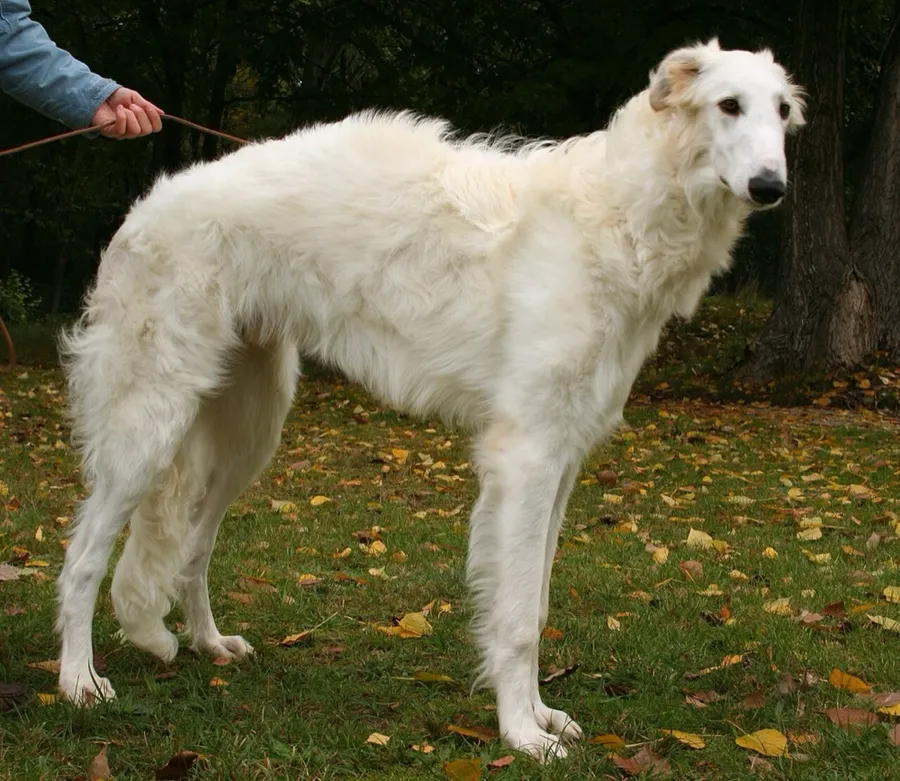
Breeds Hound
Borzoi
Also known as Russian Wolfhound, Russkaya Psovaya Borzaya
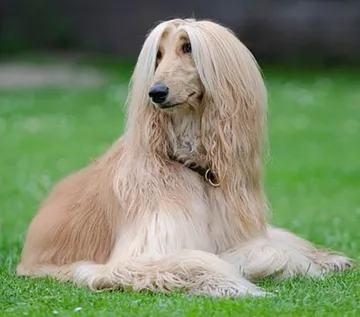
The Borzoi was developed by Russian nobility to course wolves in teams, often in pairs or trios released together. It combines great speed with a graceful, aristocratic bearing. Borzoi are usually quiet and calm indoors, affectionate with family, and reserved with strangers.
At a glance
- Origin
- Russia
- Developed
- 1600s
- Bred for
- Coursing wolves, foxes, and hare for the Russian aristocracy
- Height
- 26–28+ in
- Weight
- 60–105 lb
- Life span
- 9–14 years
- Size
- Giant
- Coat
- Long, silky, flat, wavy, or curly coat; any color
- Grooming
- Moderate
- Shedding
- Seasonal
- Exercise
- About an hour a day, plus regular chances to sprint in a securely fenced area
- Recognized by
- American Kennel Club, United Kennel Club, Fédération Cynologique Internationale, Canadian Kennel Club, The Kennel Club (UK)
Good to know
Their powerful chase instinct means small animals and open spaces require caution. Use patient, consistent training, as Borzoi tend to be sensitive and independent.
Health considerations
- Bloat (gastric dilatation-volvulus)
- Dilated cardiomyopathy
- Hypothyroidism
- Anesthesia sensitivity
Conditions breed clubs commonly screen for. Not every dog will have them. Ask your veterinarian about your own dog.
Did you know?
Borzoi were a favorite of the Russian tsars, and large kennels of them were maintained on noble estates before the 1917 revolution.
Hound group
Dogs bred to hunt by scent (like Beagles and Bloodhounds) or by sight and speed (like Greyhounds and Salukis). Many are independent thinkers with strong instincts to follow a trail or chase.
Every Borzoi is an individual.
Breed traits are tendencies, not guarantees. Your dog's genetics, early life, health, and everyday experiences all shape who they are. If you'd like help understanding the dog in front of you, let's talk.
Start a conversation