Breeds Miscellaneous
German Spitz
Also known as Deutscher Spitz, Klein, Mittel
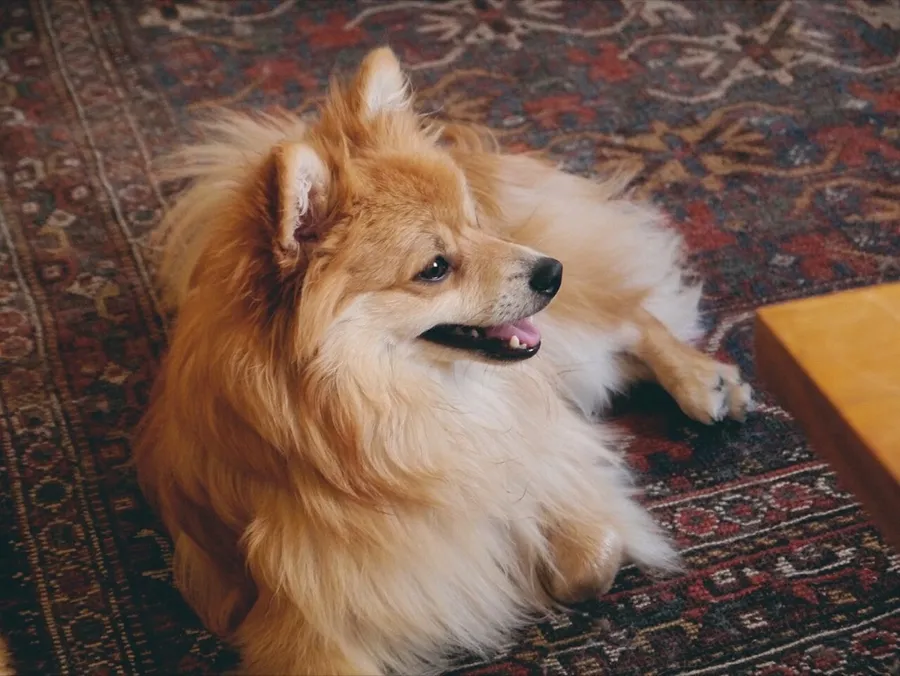
The German Spitz is one of the oldest dog types in Central Europe, long kept as a watchful farm and household dog. AKC accepts the Klein (small) and Mittel (medium) sizes, while the larger and smaller relatives are registered as the Keeshond and Pomeranian. These spitz dogs are bright, lively companions that stay close to their families.
At a glance
- Origin
- Germany
- Developed
- Centuries old; documented by the 1400s
- Bred for
- Farm watchdog and companion
- Height
- 9–15.5 in
- Weight
- 11–26 lb
- Life span
- 13–15 years
- Size
- Small
- Coat
- Profuse, stand-off double coat with a lion-like ruff; many colors
- Grooming
- Moderate
- Shedding
- Seasonal
- Exercise
- 30–60 minutes a day of walks and play
- Recognized by
- American Kennel Club, United Kennel Club, Fédération Cynologique Internationale, The Kennel Club (UK)
Good to know
German Spitz are natural alarm barkers, so teaching a calm “thank you, quiet” routine early is helpful. Weekly brushing, and more during seasonal sheds, keeps the coat healthy.
Health considerations
- Patellar luxation
- Progressive retinal atrophy
- Dental disease
Conditions breed clubs commonly screen for. Not every dog will have them. Ask your veterinarian about your own dog.
Did you know?
The breed’s FCI standard notes its indifference to weather, robustness, and longevity as its standout attributes.
Miscellaneous group
Breeds working toward full AKC recognition. They can compete in some AKC events while their breed clubs complete the requirements.
Every German Spitz is an individual.
Breed traits are tendencies, not guarantees. Your dog's genetics, early life, health, and everyday experiences all shape who they are. If you'd like help understanding the dog in front of you, let's talk.
Start a conversation