Breeds Terrier
Lakeland Terrier
Also known as Lakie, Patterdale Terrier (historical), Fell Terrier
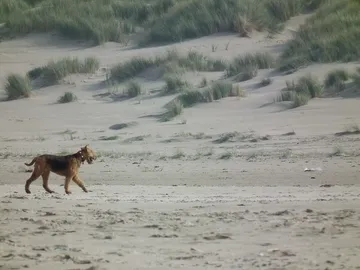
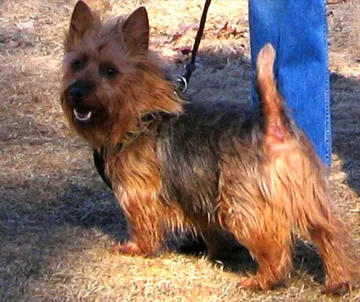
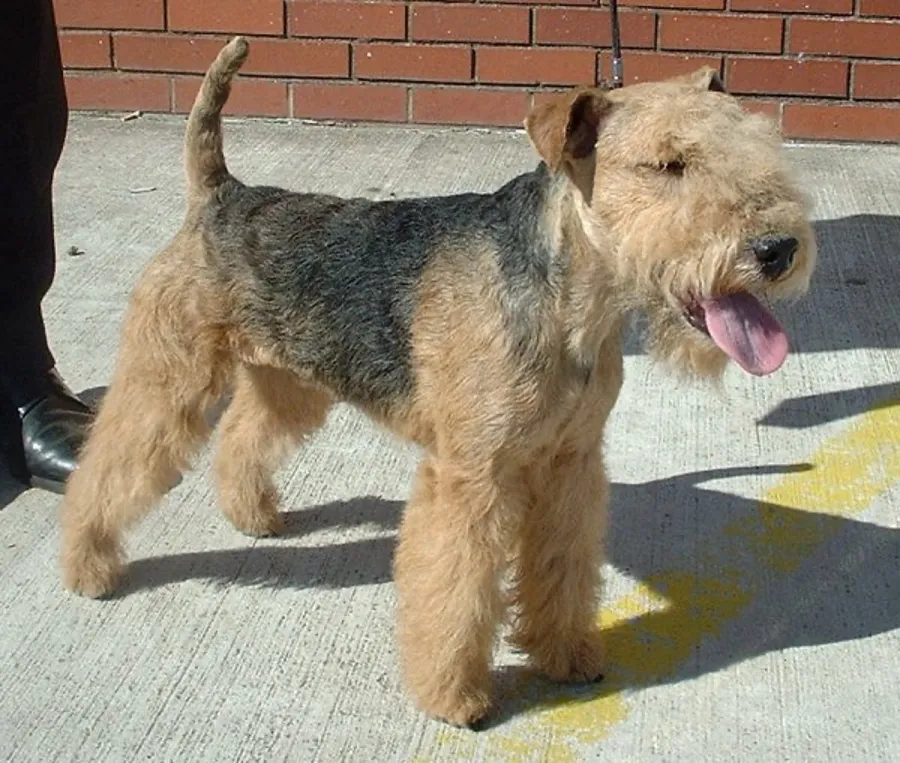
Bred in the rugged Lake District of northwestern England, the Lakeland Terrier worked with packs of hounds to chase down foxes that preyed on sheep. It needed to be narrow enough to follow quarry among rocks and tough enough for harsh weather. Lakelands are cheerful, confident, and full of energy.
At a glance
- Origin
- England
- Developed
- 1700s–1800s
- Bred for
- Hunting foxes that preyed on sheep in the Lake District
- Height
- 13.5–14.5 in
- Weight
- 15–17 lb
- Life span
- 12–16 years
- Size
- Small
- Coat
- Hard, wiry outer coat with a soft undercoat; blue, black, liver, red, wheaten, or with a saddle
- Grooming
- Moderate
- Shedding
- Minimal
- Exercise
- About an hour a day of walks and play
- Recognized by
- American Kennel Club, United Kennel Club, Fédération Cynologique Internationale, Canadian Kennel Club, The Kennel Club (UK)
Good to know
Lakelands are clever and can be independent, so keep training short, varied, and rewarding. Their coat needs weekly brushing and periodic hand-stripping or clipping.
Health considerations
- Lens luxation
- Legg-Calvé-Perthes disease
- Von Willebrand disease
Conditions breed clubs commonly screen for. Not every dog will have them. Ask your veterinarian about your own dog.
Did you know?
A Lakeland Terrier named Stingray of Derryabah won Best in Show at both Crufts (1967) and Westminster (1968).
Terrier group
Originally bred to hunt rodents and other vermin, often by digging. Typically energetic, determined, and full of personality, from small Cairns to the tall Airedale.
Every Lakeland Terrier is an individual.
Breed traits are tendencies, not guarantees. Your dog's genetics, early life, health, and everyday experiences all shape who they are. If you'd like help understanding the dog in front of you, let's talk.
Start a conversation