Breeds Toy
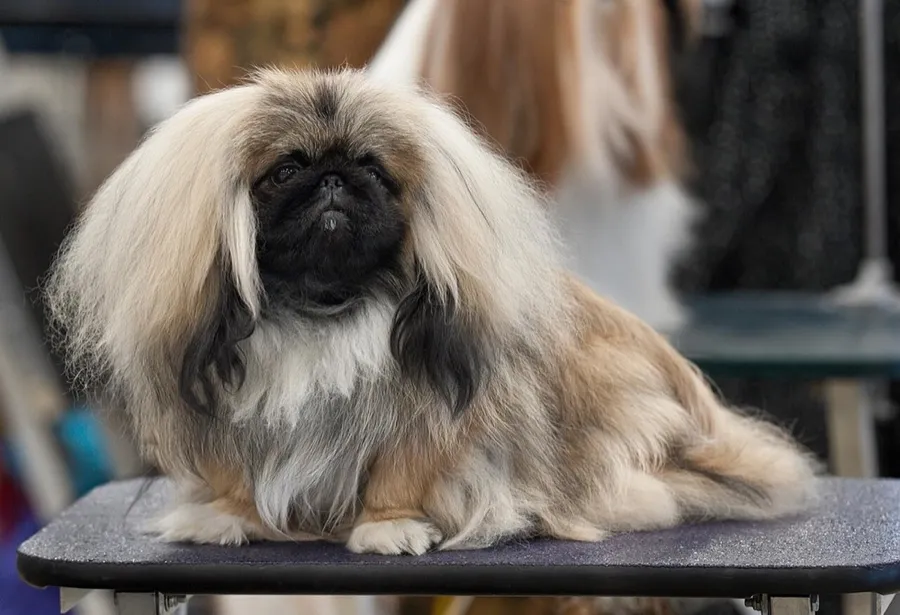
Pekingese
Also known as Peke, Lion Dog
The Pekingese was the treasured companion of the Chinese imperial court for centuries. Dogs left the palace when British troops entered Beijing in 1860, and several were brought to England, including one presented to Queen Victoria. The breed's lionlike mane reflects the Chinese tradition of the "lion dog." Pekes are dignified, self-assured, and affectionate with their families.
At a glance
- Origin
- China
- Developed
- Ancient (centuries old)
- Bred for
- Companionship for the Chinese imperial court
- Height
- 6–9 in
- Weight
- Up to 14 lb
- Life span
- 12–14 years
- Size
- Toy
- Coat
- Long, straight, coarse outer coat with a thick undercoat and a mane; all colors
- Grooming
- High
- Shedding
- Heavy
- Exercise
- About 20–30 minutes a day of easy walks and play
- Recognized by
- American Kennel Club, United Kennel Club, Fédération Cynologique Internationale, Canadian Kennel Club, The Kennel Club (UK)
Good to know
Pekingese are sensitive to heat because of their short faces, so keep exercise gentle in warm weather. Their prominent eyes need protection from injury. The thick coat needs regular brushing to prevent mats.
Health considerations
- Brachycephalic airway syndrome
- Intervertebral disc disease
- Eye injuries and proptosis
- Skin fold dermatitis
Conditions breed clubs commonly screen for. Not every dog will have them. Ask your veterinarian about your own dog.
Did you know?
A Pekingese named Sun Yat-sen was one of the few dogs to survive the sinking of the Titanic in 1912.
Toy group
Small companion breeds, many developed for life alongside people. Small in size but often big in personality; they still need training, enrichment, and gentle handling.
Every Pekingese is an individual.
Breed traits are tendencies, not guarantees. Your dog's genetics, early life, health, and everyday experiences all shape who they are. If you'd like help understanding the dog in front of you, let's talk.
Start a conversation