Breeds Toy
Shih Tzu
Also known as Chrysanthemum Dog, Lion Dog
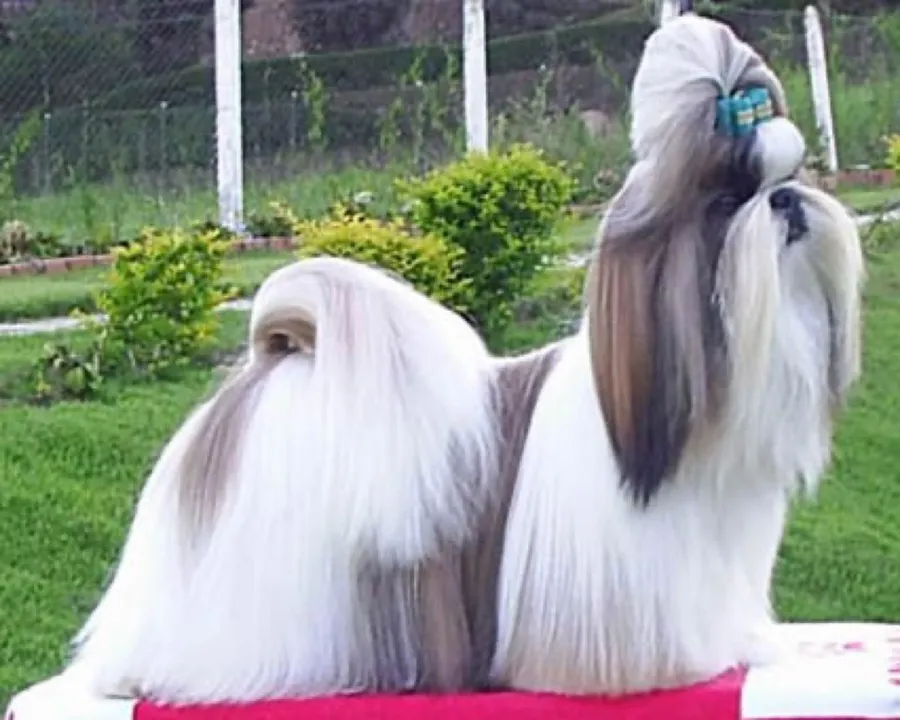
The Shih Tzu likely developed from crosses between Tibetan dogs and Chinese breeds such as the Pekingese. It was treasured in the Chinese imperial court for centuries. The breed nearly disappeared after the fall of the imperial dynasty and was rebuilt from a small number of dogs. Today it is a friendly, outgoing companion that loves people.
At a glance
- Origin
- Tibet and China
- Developed
- Centuries old; refined in the Chinese imperial court
- Bred for
- Companionship for Chinese royalty
- Height
- 9–10.5 in
- Weight
- 9–16 lb
- Life span
- 10–18 years
- Size
- Small
- Coat
- Long, flowing double coat; all colors
- Grooming
- High
- Shedding
- Minimal
- Exercise
- About 30 minutes a day of easy walks and play
- Recognized by
- American Kennel Club, United Kennel Club, Fédération Cynologique Internationale, Canadian Kennel Club, The Kennel Club (UK)
Good to know
Shih Tzus need daily brushing if kept in a long coat, or regular trims in a short cut. Their short faces make them sensitive to heat. Housetraining can take patience, so stick to a consistent routine.
Health considerations
- Brachycephalic airway syndrome
- Intervertebral disc disease
- Eye problems
- Renal dysplasia
Conditions breed clubs commonly screen for. Not every dog will have them. Ask your veterinarian about your own dog.
Did you know?
"Shih Tzu" means "lion dog" in Chinese, reflecting the lion's importance in Buddhist tradition.
Toy group
Small companion breeds, many developed for life alongside people. Small in size but often big in personality; they still need training, enrichment, and gentle handling.
Every Shih Tzu is an individual.
Breed traits are tendencies, not guarantees. Your dog's genetics, early life, health, and everyday experiences all shape who they are. If you'd like help understanding the dog in front of you, let's talk.
Start a conversation