Breeds Sporting
Spinone Italiano
Also known as Italian Spinone, Italian Griffon
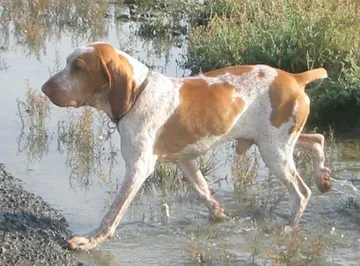
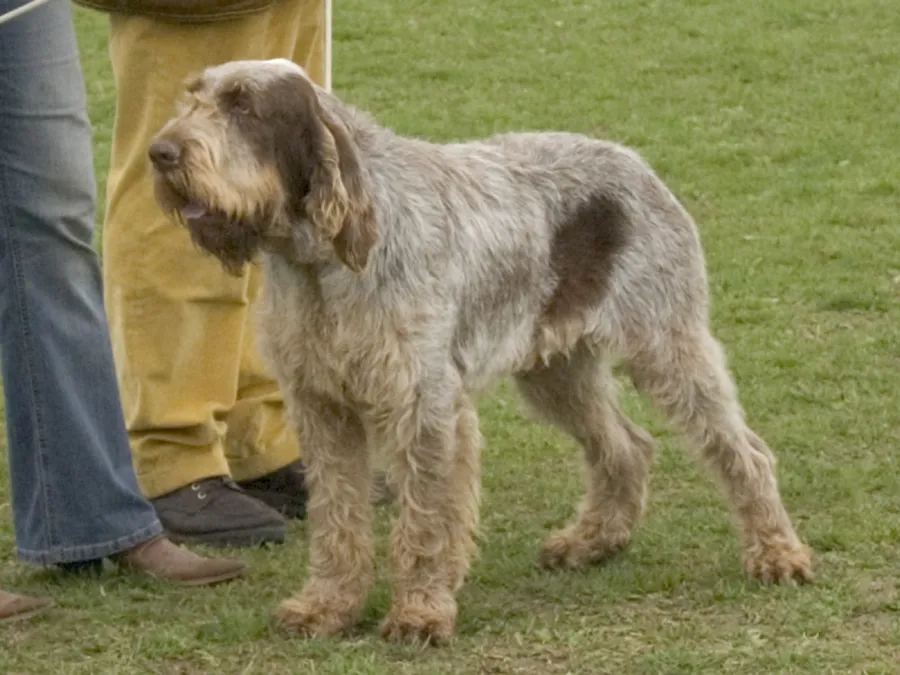
The Spinone Italiano is one of the oldest Italian pointing breeds, developed in the Piedmont region of northwestern Italy. Its tough, wiry coat let it push through dense, thorny brush. Unlike faster, wide-ranging pointers, the Spinone works at a steady, efficient trot. It is known for its gentle, patient, and easygoing personality.
At a glance
- Origin
- Italy (Piedmont)
- Developed
- Centuries old; documented by the 1500s
- Bred for
- Pointing and retrieving game in rough, thorny terrain
- Height
- 22–27 in
- Weight
- 64–86 lb
- Life span
- 12–14 years
- Size
- Large
- Coat
- Rough, dense, wiry single coat with a beard and eyebrows; white, white and orange, orange roan, white and brown, or brown roan
- Grooming
- Moderate
- Shedding
- Moderate
- Exercise
- About 1 hour a day of walks and off-leash activity in safe areas
- Recognized by
- American Kennel Club, United Kennel Club, Fédération Cynologique Internationale, Canadian Kennel Club, The Kennel Club (UK)
Good to know
Spinoni are mellow but still need daily exercise. They can drool, and their beards collect food and water, so expect some cleanup. Gentle, patient training suits them best.
Health considerations
- Hip dysplasia
- Cerebellar ataxia
- Bloat (gastric dilatation-volvulus)
- Ectropion
Conditions breed clubs commonly screen for. Not every dog will have them. Ask your veterinarian about your own dog.
Did you know?
The breed's name is often linked to the pino, a thorny Italian bush the dogs were known for pushing through.
Sporting group
Retrievers, pointers, setters, and spaniels, developed to help hunters find and retrieve game. Typically active, people-focused, and happiest with regular exercise and a job to do.
Every Spinone Italiano is an individual.
Breed traits are tendencies, not guarantees. Your dog's genetics, early life, health, and everyday experiences all shape who they are. If you'd like help understanding the dog in front of you, let's talk.
Start a conversation