Breeds Toy
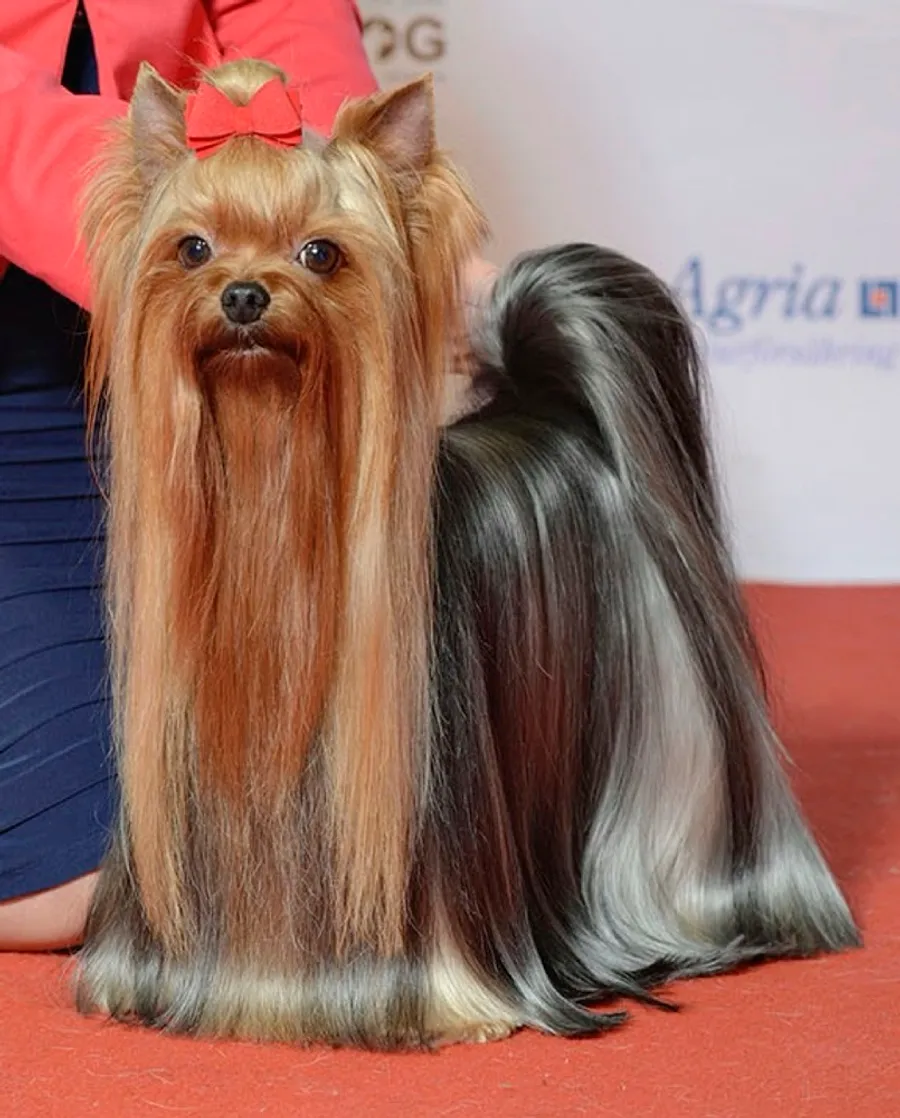
Yorkshire Terrier
Also known as Yorkie
The Yorkshire Terrier was developed in northern England by Scottish workers who brought small terriers with them. It worked as a ratter in mills and mines. Over time it became a fashionable companion in Victorian England. Today the Yorkie is one of America's most popular breeds.
At a glance
- Origin
- England
- Developed
- Mid-1800s
- Bred for
- Catching rats in mills and mines
- Height
- 7–8 in
- Weight
- Up to 7 lb
- Life span
- 11–15 years
- Size
- Toy
- Coat
- Long, fine, silky single coat; blue and tan or black and tan
- Grooming
- High
- Shedding
- Minimal
- Exercise
- About 30 minutes a day of walks and play
- Recognized by
- American Kennel Club, United Kennel Club, Fédération Cynologique Internationale, Canadian Kennel Club, The Kennel Club (UK)
Good to know
Yorkies need daily brushing if kept in a long coat, or regular trims. Use a harness instead of a collar to protect the trachea. Dental care and consistent housetraining are important.
Health considerations
- Patellar luxation
- Portosystemic shunt
- Tracheal collapse
- Legg-Calvé-Perthes disease
Conditions breed clubs commonly screen for. Not every dog will have them. Ask your veterinarian about your own dog.
Did you know?
A Yorkie named Smoky helped engineers during World War II by running a telegraph wire through a narrow pipe at an airfield in the Philippines.
Toy group
Small companion breeds, many developed for life alongside people. Small in size but often big in personality; they still need training, enrichment, and gentle handling.
Every Yorkshire Terrier is an individual.
Breed traits are tendencies, not guarantees. Your dog's genetics, early life, health, and everyday experiences all shape who they are. If you'd like help understanding the dog in front of you, let's talk.
Start a conversation