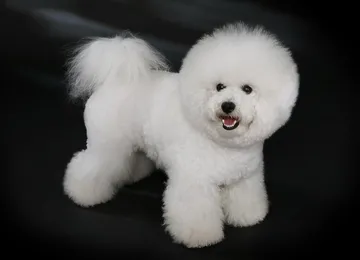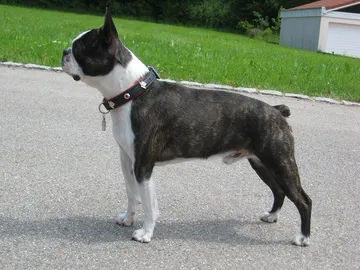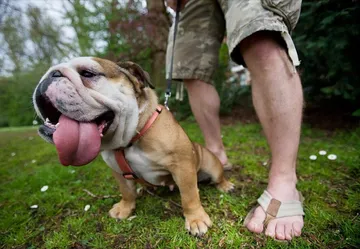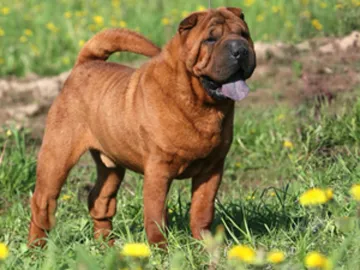
Breeds Non-Sporting
American Eskimo Dog
Also known as Eskie, American Spitz
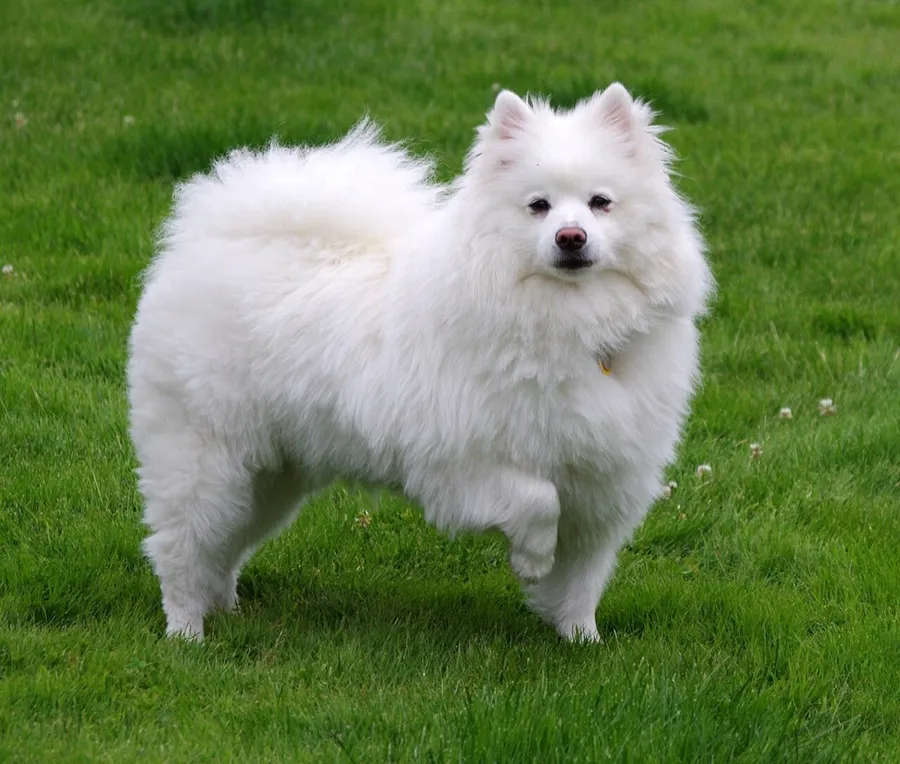
The American Eskimo Dog descends from German spitz dogs brought to the United States by immigrants. Anti-German sentiment around World War I led to the name change. Eskies became famous as traveling circus performers in the early 1900s, which helped spread the breed across the country. It comes in three sizes and is a bright, eager-to-please companion.
At a glance
- Origin
- United States (German spitz ancestry)
- Developed
- Early 1900s
- Bred for
- Farm watchdog and companion; later a circus performer
- Height
- 9–19 in (Toy, Miniature, and Standard sizes)
- Weight
- 6–35 lb
- Life span
- 13–15 years
- Size
- Small
- Coat
- Thick, white or white-and-biscuit double coat with a lionlike ruff
- Grooming
- Moderate
- Shedding
- Heavy
- Exercise
- About an hour a day of walks, play, and training
- Recognized by
- American Kennel Club, United Kennel Club
Good to know
Eskies are smart and active, so daily exercise, training, and puzzle games help prevent boredom and barking. Early socialization helps them feel comfortable with visitors. Their double coat sheds heavily and needs brushing a few times a week.
Health considerations
- Hip dysplasia
- Progressive retinal atrophy
- Patellar luxation
Conditions breed clubs commonly screen for. Not every dog will have them. Ask your veterinarian about your own dog.
Did you know?
An American Eskimo Dog named Stout's Pal Pierre is remembered as the first dog to walk a tightrope, performing with the Barnum & Bailey Circus.
Non-Sporting group
A varied group of breeds with different histories, from the Dalmatian and Chow Chow to the Bulldog and Poodle. Size, coat, and energy vary widely.
Every American Eskimo Dog is an individual.
Breed traits are tendencies, not guarantees. Your dog's genetics, early life, health, and everyday experiences all shape who they are. If you'd like help understanding the dog in front of you, let's talk.
Start a conversation