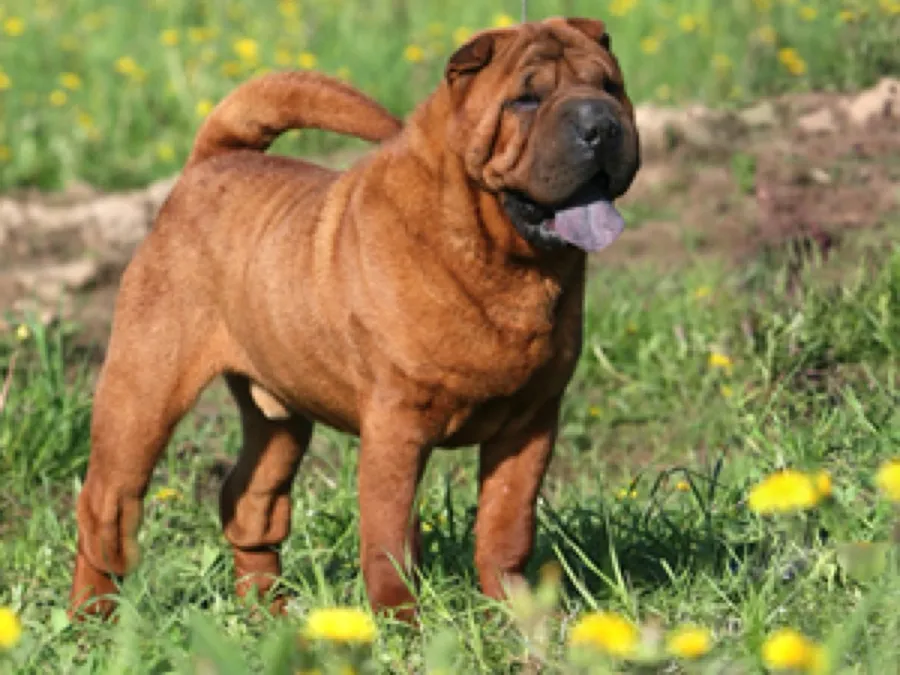
Breeds Non-Sporting
Chinese Shar-Pei
Also known as Shar-Pei, Shar Pei
The Chinese Shar-Pei is an ancient breed from southern China, used as an all-purpose farm dog for guarding, hunting, and herding. Its numbers fell dramatically in the 20th century. In the 1970s, a Hong Kong breeder appealed to American fanciers to help save it, and the breed gained popularity in the United States. It is devoted to its family and often reserved with strangers.
At a glance
- Origin
- China
- Developed
- Ancient (Han dynasty era)
- Bred for
- All-purpose farm work: guarding, hunting, and herding
- Height
- 18–20 in
- Weight
- 45–60 lb
- Life span
- 8–12 years
- Size
- Medium
- Coat
- Short, harsh coat in a horse (very short) or brush (slightly longer) type; many solid colors
- Grooming
- Low
- Shedding
- Moderate
- Exercise
- About 45–60 minutes a day of walks and play
- Recognized by
- American Kennel Club, United Kennel Club, Fédération Cynologique Internationale, Canadian Kennel Club, The Kennel Club (UK)
Good to know
Shar-Pei benefit from early, ongoing socialization and calm, consistent training. Their skin folds need regular checks for irritation. Watch for recurring fevers and swollen hocks, signs of Shar-Pei fever.
Health considerations
- Familial Shar-Pei fever
- Entropion
- Skin fold dermatitis
- Hypothyroidism
Conditions breed clubs commonly screen for. Not every dog will have them. Ask your veterinarian about your own dog.
Did you know?
In the late 1970s, the Chinese Shar-Pei was listed by Guinness World Records as the rarest dog breed in the world.
Non-Sporting group
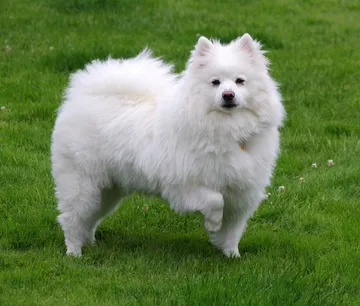
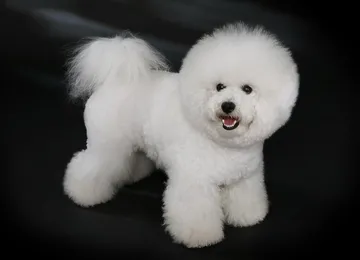
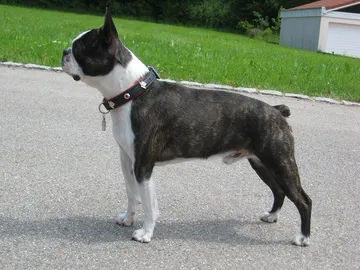
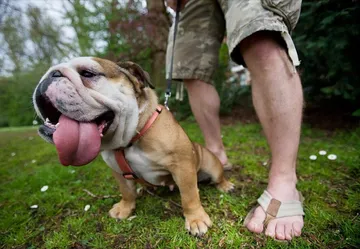
A varied group of breeds with different histories, from the Dalmatian and Chow Chow to the Bulldog and Poodle. Size, coat, and energy vary widely.
Every Chinese Shar-Pei is an individual.
Breed traits are tendencies, not guarantees. Your dog's genetics, early life, health, and everyday experiences all shape who they are. If you'd like help understanding the dog in front of you, let's talk.
Start a conversation