Breeds Working
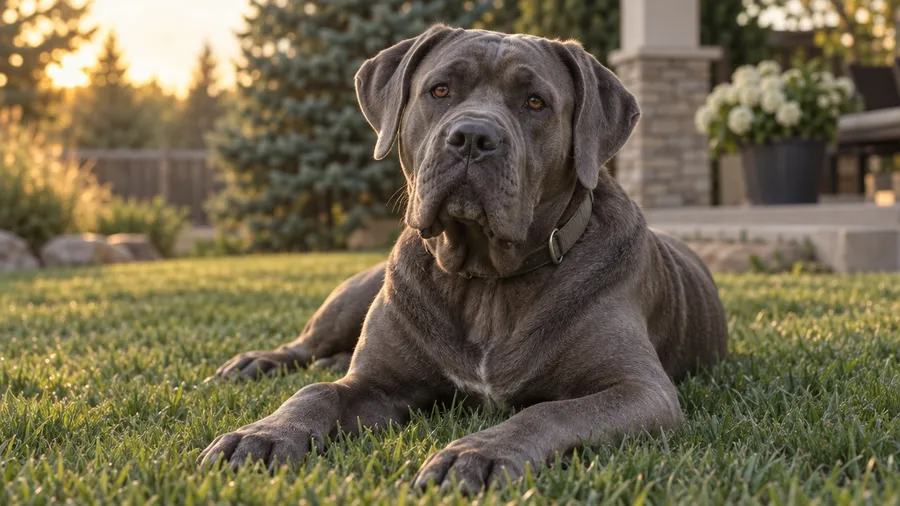
Cane Corso
Also known as Italian Mastiff, Cane Corso Italiano, Corso
The Cane Corso descends from Roman molossian dogs and became an all-purpose farm dog in southern Italy, guarding property, managing semi-wild cattle and pigs, and hunting boar. As rural life changed in the 20th century the breed nearly disappeared, until Italian enthusiasts began a recovery program in the 1970s, forming the Società Amatori Cane Corso in 1983. The breed earned FCI recognition in 1996 and joined the AKC Working Group in 2010. Corsos are intelligent, sensitive, and deeply bonded to their people, typically calm and affectionate at home and naturally watchful and reserved with strangers.
At a glance
- Origin
- Italy
- Developed
- Ancient Roman roots; modern breed revived in the 1970s–1980s
- Bred for
- Guarding property and livestock, driving cattle, and hunting large game such as wild boar
- Height
- 23.5–27.5 in
- Weight
- 88–110 lb
- Life span
- 9–12 years
- Size
- Giant
- Coat
- Short, stiff, dense coat with a light undercoat; black, gray, fawn, or red, with or without brindling, often with a black or gray mask
- Grooming
- Low
- Shedding
- Seasonal
- Exercise
- 1–2 hours a day of walks, structured play, and training; benefits from a job such as obedience, tracking, or nosework
- Recognized by
- American Kennel Club, United Kennel Club, Fédération Cynologique Internationale, Canadian Kennel Club, The Kennel Club (UK)
Good to know
Socialization should begin early and continue through adolescence (roughly 6 months to 3 years), when many Corsos become more discerning about unfamiliar people and dogs; calm, gradual exposure and clear, consistent, fair training help this sensitive breed. Teach loose-leash walking, a solid settle, and handling tolerance while the puppy is still small, and give daily mental work in addition to exercise. Keep them lean, avoid forced high-impact exercise while growth plates close (around 18–24 months), and learn the signs of bloat.
Health considerations
- Hip dysplasia
- Elbow dysplasia
- Gastric dilatation-volvulus (bloat)
- Entropion and ectropion
Conditions breed clubs commonly screen for. Not every dog will have them. Ask your veterinarian about your own dog.
Did you know?
The name is often traced to the Latin 'cohors,' meaning guardian or protector of the farmyard, reflecting the breed's long history as an Italian estate guardian.
Working group
Guardians, sled dogs, draft dogs, and rescue dogs. Often large and strong, intelligent, and capable of serious work. Early socialization and consistent training matter.
Every Cane Corso is an individual.
Breed traits are tendencies, not guarantees. Your dog's genetics, early life, health, and everyday experiences all shape who they are. If you'd like help understanding the dog in front of you, let's talk.
Start a conversation