Breeds Working
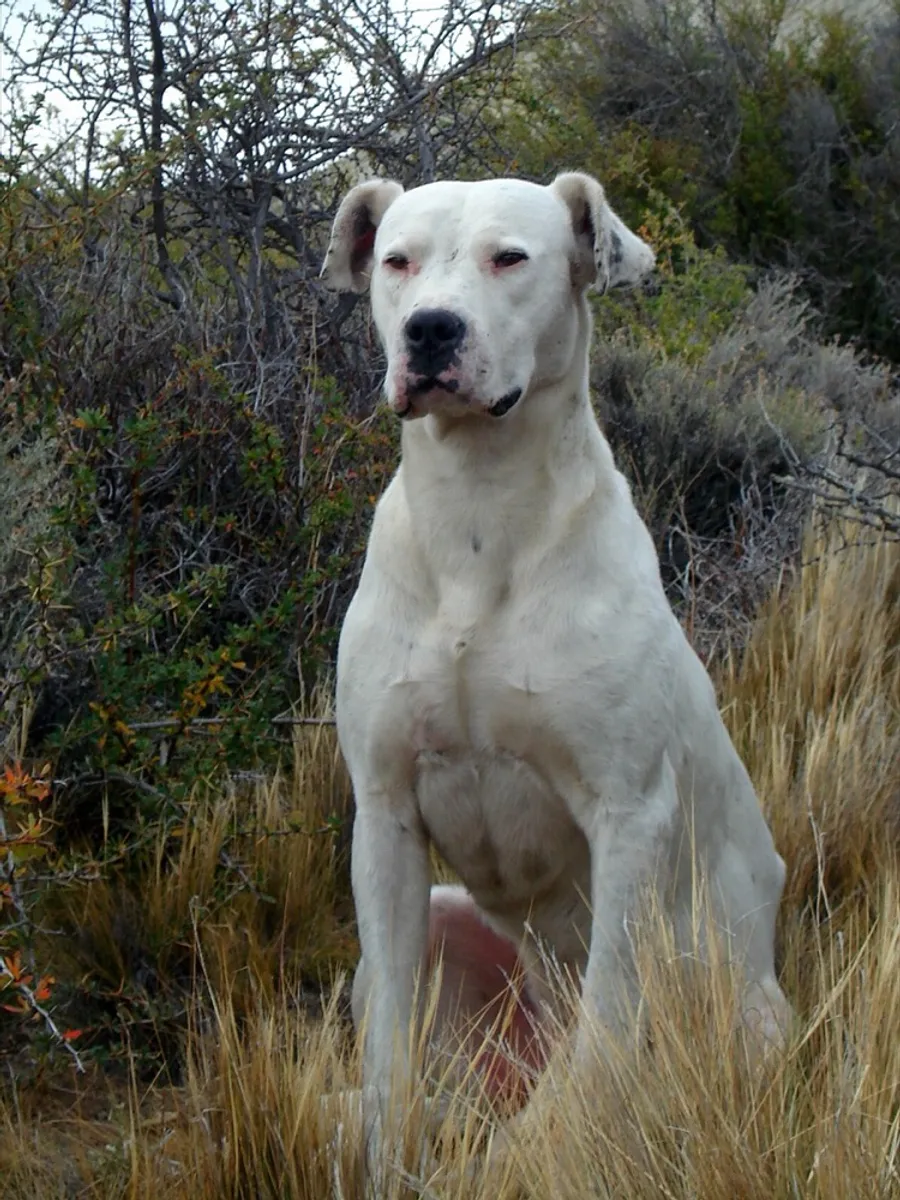
Dogo Argentino
Also known as Argentine Mastiff, Argentinian Dogo
The Dogo Argentino was developed in Córdoba, Argentina, by Dr. Antonio Nores Martínez, who set out to create a strong, athletic pack hunter for big game that would also be a devoted family guardian. He crossed the now-extinct Cordoba Fighting Dog with breeds including the Great Dane, Boxer, and Great Pyrenees. Dogos are affectionate and playful with their families and watchful with strangers.
At a glance
- Origin
- Argentina
- Developed
- 1920s
- Bred for
- Hunting big game such as wild boar and puma
- Height
- 24–27 in
- Weight
- 80–100 lb
- Life span
- 9–15 years
- Size
- Large
- Coat
- Short, smooth, all-white coat; a single dark patch on the head is permitted
- Grooming
- Low
- Shedding
- Moderate
- Exercise
- 1–2 hours a day of vigorous activity and training
- Recognized by
- American Kennel Club, United Kennel Club, Fédération Cynologique Internationale, Canadian Kennel Club
Good to know
Dogos need extensive socialization with people and dogs from an early age, and many prefer not to share their home with dogs of the same sex. They need plenty of exercise and an experienced, consistent owner. Their white coat makes sun protection and hearing screening important.
Health considerations
- Congenital deafness
- Hip dysplasia
- Skin allergies
- Sunburn and skin sensitivity
Conditions breed clubs commonly screen for. Not every dog will have them. Ask your veterinarian about your own dog.
Did you know?
The Dogo Argentino is the first breed developed in Argentina, and it joined the AKC Working Group in 2020.
Working group
Guardians, sled dogs, draft dogs, and rescue dogs. Often large and strong, intelligent, and capable of serious work. Early socialization and consistent training matter.
Every Dogo Argentino is an individual.
Breed traits are tendencies, not guarantees. Your dog's genetics, early life, health, and everyday experiences all shape who they are. If you'd like help understanding the dog in front of you, let's talk.
Start a conversation