Breeds Working
Great Pyrenees
Also known as Pyrenean Mountain Dog, Pyr, Chien de Montagne des Pyrénées
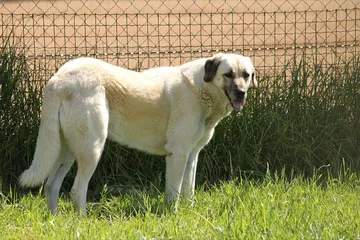
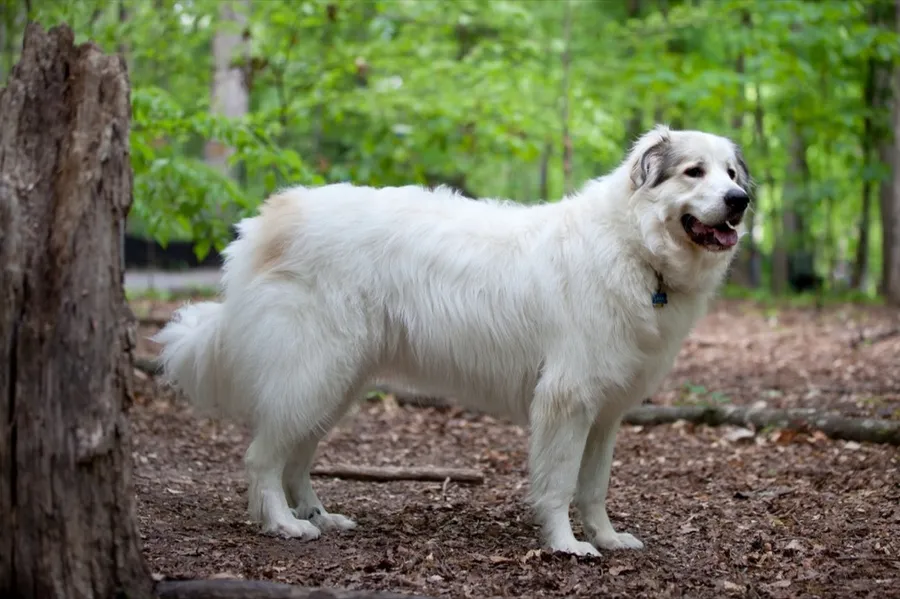
The Great Pyrenees guarded flocks in the Pyrenees Mountains between France and Spain for centuries, working independently through the night to deter predators. The breed later became fashionable at the French royal court. Pyrs are calm, gentle with family, and devoted guardians that tend to be reserved with strangers.
At a glance
- Origin
- France and Spain (Pyrenees Mountains)
- Developed
- Ancient; AKC recognized 1933
- Bred for
- Guarding sheep from wolves and bears in the mountains
- Height
- 25–32 in
- Weight
- 85–100+ lb
- Life span
- 10–12 years
- Size
- Giant
- Coat
- Weather-resistant double coat with a long, flat outer coat and dense undercoat; white or white with gray, tan, badger, or reddish markings
- Grooming
- Moderate
- Shedding
- Heavy
- Exercise
- Moderate daily walks; enjoys patrolling a securely fenced yard
- Recognized by
- American Kennel Club, United Kennel Club, Fédération Cynologique Internationale, Canadian Kennel Club, The Kennel Club (UK)
Good to know
Pyrs were bred to think for themselves, so training takes patience, and most should not be trusted off leash. They tend to bark, especially at night, and need a secure fence. Brushing a few times a week keeps the coat manageable.
Health considerations
- Hip dysplasia
- Patellar luxation
- Gastric dilatation-volvulus (bloat)
- Osteosarcoma
Conditions breed clubs commonly screen for. Not every dog will have them. Ask your veterinarian about your own dog.
Did you know?
Great Pyrenees standards call for double dewclaws on the rear legs.
Working group
Guardians, sled dogs, draft dogs, and rescue dogs. Often large and strong, intelligent, and capable of serious work. Early socialization and consistent training matter.
Every Great Pyrenees is an individual.
Breed traits are tendencies, not guarantees. Your dog's genetics, early life, health, and everyday experiences all shape who they are. If you'd like help understanding the dog in front of you, let's talk.
Start a conversation