Breeds Herding
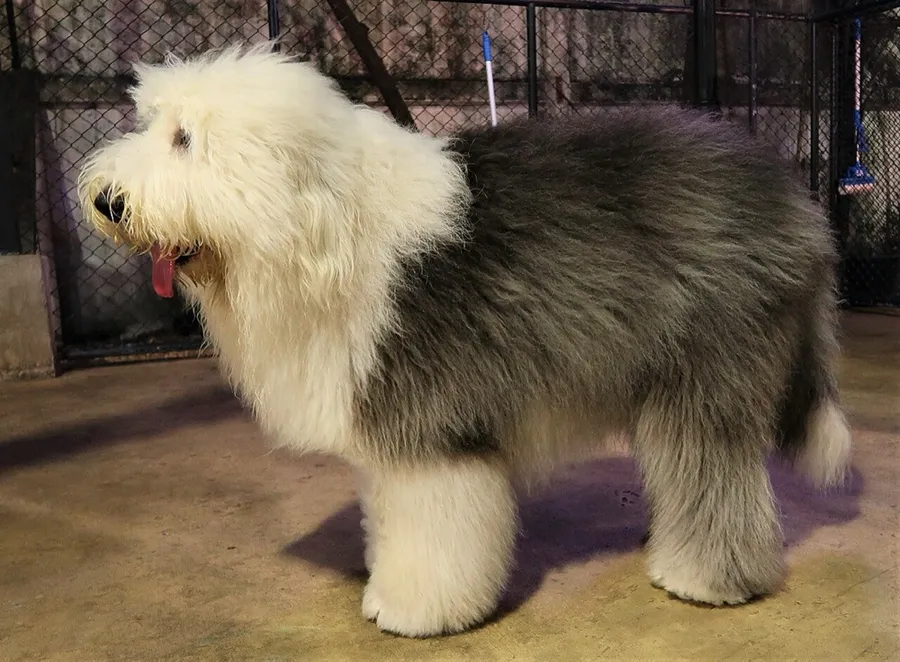
Old English Sheepdog
Also known as OES, Bobtail
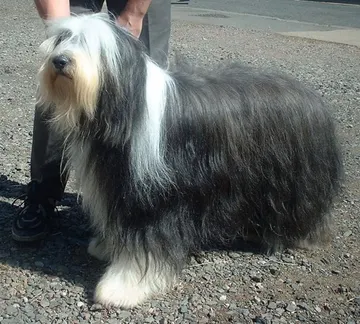
The Old English Sheepdog was developed in western England as a drover's dog, moving cattle and sheep to market. Drovers' dogs were exempt from certain taxes if their tails were docked, which is one explanation for the nickname Bobtail. OES are known for their clownish humor, gentle nature, and distinctive rolling gait.
At a glance
- Origin
- England
- Developed
- Late 1700s–1800s
- Bred for
- Driving cattle and sheep to market
- Height
- 21–22+ in
- Weight
- 60–100 lb
- Life span
- 10–12 years
- Size
- Large
- Coat
- Profuse, shaggy double coat; gray, grizzle, blue, or blue merle, with or without white
- Grooming
- High
- Shedding
- Moderate
- Exercise
- About 1 hour a day of walks and play
- Recognized by
- American Kennel Club, United Kennel Club, Fédération Cynologique Internationale, Canadian Kennel Club, The Kennel Club (UK)
Good to know
A full Old English coat requires several hours of brushing each week, so many owners keep pets in a shorter trim. They are playful and sometimes boisterous, and some still try to herd children, which can be redirected with training.
Health considerations
- Hip dysplasia
- Cataracts
- Hypothyroidism
- Progressive retinal atrophy
Conditions breed clubs commonly screen for. Not every dog will have them. Ask your veterinarian about your own dog.
Did you know?
Old English Sheepdogs have a distinctive bell-like bark that the breed standard describes as loud with a pot-casse ring.
Herding group
Dogs developed to gather, drive, and protect livestock. Usually intelligent, responsive, and energetic, with a strong instinct to control movement.
Every Old English Sheepdog is an individual.
Breed traits are tendencies, not guarantees. Your dog's genetics, early life, health, and everyday experiences all shape who they are. If you'd like help understanding the dog in front of you, let's talk.
Start a conversation